Herbs For All

If you enjoy what you're reading here, please join our Herbs For All Facebook group. This is an excellent source for fascinating and useful information on medicinal and culinary herbs.
Showing posts with label Recipe. Show all posts

Thursday, November 12, 2015

Love Your Liver

I have allergies and am considering a "liver cleanse," but do not know anything about them. I hear there are some herbs that can be helpful. Can you please explain what such a cleanse is and what I should be able to expect from it?

After your skin, your liver is the largest filtering organ in the body. More than 200 functions have been identified. It processes many substances to metabolize fats, proteins, and hormones, helps to balance blood sugar, stores iron- and fat-soluble vitamins and helps clean toxins from the blood.


Herbalists are very interested in liver function. When we see clients with conditions such as allergies, skin problems, tiredness, headaches, mood swings, problems with eyesight and hormonal imbalances, we try to assess whether the liver needs support or protection. The liver can become overtaxed with all the functions it has to perform, which leads to the conditions called liver congestion or stagnation. The intake form I use in my consultations helps me to make that assessment. 

Some "liver herbs" stimulate the organ's function, while others calm and nourish an overworked liver and still others protect it. Hepatic herbs strengthen and tone the liver. Cholagogues promote the discharge of bile from the liver; the liver makes about a liter of bile a day, which is stored in the gall bladder until needed to digest fats.


A liver cleanse can be mild or drastic. A mild one would be to drink a tablespoon of good quality apple cider vinegar in a glass of water first thing in the morning every day. Vinegar's sour taste indicates that it is an acid food with astringent properties that help detoxify the liver and digestive system. (See Catalyst article, "Herbal Vinegars," July 2005).
 

Adding more bitter flavors to the food you eat can also be helpful. Try some bitter lettuces like arugula.


Chocolate and coffee are also bitters. Swedish bitters are available. The alkaline properties of bitter-tasting foods help the cascade of digestive secretions to fire off in proper order. 


Health food stores offer three-day liver cleanse kits. One of my students who worked in such a store told me that customers often returned this product with complaints that it made them feel awful and very angry. (The liver has often been called the seat of anger in the body. Liver imbalance can cause emotional excesses like rage, greed and resentment.) These preparations contain strong herbs that can have strong physiological effects with harsh reactions like nausea, diarrhea, pain, gas, mood swings, and exhaustion.
 

Usually, by the time clients call me for a consultation, they are not feeling very well. The last thing I want to do is stress the body further, so I avoid strong liver cleanses. I prefer instead to figure out which liver herbs are most appropriate for the person and combine those with remedies for their other health complaints to strengthen, nourish, balance and tone the whole body.
 

Many herbs affect the liver. If I could pick only five, these are the ones I would choose.
 

Picture of Herbs
  • Dandelion: The leaves and roots have a mild stimulating effect on the liver. This diuretic herb does not leach potassium from the body, so it helps flush the system of toxins without creating other imbalances. Young leaves have a slightly bitter taste and taste great fresh in salads. On summer herb trips, I like to pick leaves from clean mountain meadows and make a vinegar tincture to drink in water or drizzle on salads for a mild cleanse.

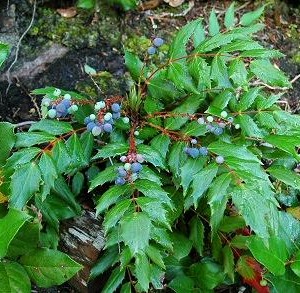
  • Oregon Grape and Barberry: Both these herbs stimulate liver and skin functions. They can be useful for acne, eczema and psoriasis.
  • Burdock: This herb strengthens the liver and purifies the blood. It is considered an alterative, which means that over time, it can help to improve liver function and improve some skin conditions.

  • Milk Thistle: This herb protects the liver; it's also a good antioxidant. It promotes the flow of bile and is useful in cases of liver damage from substance abuse.

  • Turmeric: This anti-inflammatory supports liver and gall bladder function. One study showed that it reduced mortality from cirrhosis.


The herbs recommended here should not be mixed with pharmaceutical drugs. They should not be taken by those with hepatobilary disorders, liver disease or obstructions of the liver or gall bladder. Diet plays a major role in liver health, so avoid fatty foods and eat apples and green, leafy, chlorophyll-rich veggies, and drink healthy juices.


Herbal Bitters
Herbal bitters tonics are traditionally used for improving sluggish digestion and associated problems such as indigestion, flatulence and constipation. Bitter herbs such as dandelion root and gentian stimulate the flow of digestive fluids, while ginger and fennel sooth the gastrointestinal tract. Bitters tonics can be taken daily and are especially helpful for improving the digestion of large meals or meals containing proteins and fats. (Caution: People with high blood pressure should avoid licorice.)

1/2 ounce dandelion root 1/4 ounce gentian root 1/4 ounce licorice root 1/4 ounce fennel seeds 1/4 ounce dried ginger root 1/4 ounce dried organic orange peel 1/4 ounce cardamom pods vodka


Grind the herbs in a blender. Place in a glass jar and add enough vodka to cover the herbs, plus two inches. Close the jar tightly.
 

Place the jar in a warm, dark place, and give the jar a gentle shake every day or so to keep the herbs from settling. After three weeks, strain the liquid from the herbs through a colander or strainer lined with several layers of cheesecloth. Squeeze the herbs to strain out all of the liquid. Funnel your bitters tonic into a dark glass container, and store in a cool, dark place.
 

Take 1/2 to 1 teaspoonful of bitters tincture in 1/4 cup warm water 15 to 30 minutes before eating.
 

Wednesday, May 6, 2015

Herbs for Mother's Day

Because Mother’s Day always falls during the beautiful, fertile time of spring when we can cultivate our gardens, herbs make a perfect gift. Even if your mother is not a gardener, there are sure to be herbal products just right for her. Consider first what herbs your mother’s garden already has and try to find something new to add. Understand what the plant needs to mature and make sure whatever you give her, she has room for. A perennial herb like sage, thyme, lavender or even rose will be used and admired for years to come. Mom will think of you every time she is near it. Herbs do not usually require a lot of maintenance. If your mother does not have a patch of earth she tends, give her potted herbs for the deck or windowsill. You or your nursery can create a planter in an attractive pot. 
If fresh, potted herbs are not quite your mom’s things buy new herbs and spices to replace the old, expired containers in her cupboard. Include some she might not buy for herself like a vanilla bean, saffron, Hungarian paprika, colorful peppercorns or a selection of curries. Many such collections are available, beautifully packaged from a gourmet kitchen store. 
Teas always make a nice gift that mom can use year-round. Gourmet tea shops have unique blends to choose from and a staff to educate you on the possibilities so you can be sure to pick what she likes. Going the less expensive route, regular grocery and health food stores now carry a wide selection of various teas in boxes or tins of 20 bags ready for easy use. Try fruit flavored blends, Rooibos tea (an antioxidant) or the now popular white tea. 
There are endless selections for the home and bath. Try fragranced potpourri, dried herb arrangements, wreaths for doors and walls, essential oils and diffusers or stainless steel strainers for teas, graters for nutmeg (with a jar of whole nutmegs) and citrus and garlic peelers and presses. These are the little things that one never seems to have when needed. For the bath, handmade soaps that contain herbs and the fragrance of only pure essential oils feel luxurious. Soaps from European countries can be interesting — olive oil bars from Italy, lavender from France. Naturally scented soy candles do not release toxic smoke or an unpleasant paraffin smell. Herbal body and salt scrubs, loofa sponges and moisturizing herb-scented oils are good choices. Inexpensive, small muslin drawstring bags can be purchased from the health food store, to fill with loose herbs like lavender, lemongrass and mint and toss into the bath to fragrance the steam. 
For health, make a gift basket which includes the most useful preparations like echinacea and St. Johnswort tinctures, arnica salve for sore muscles, calendula oil to nourish the skin, an herb book and a gift certificate for an herb class or a consultation with an herbal practitioner. 
Books on every conceivable herbal topic are available and some very pretty ones are tied with a satin ribbon or fragranced. My book, 'Herbs For All: Herbal Knowledge for Home, Kitchen, Garden and Healthcare' makes a great gift. 
Moms sometimes need help (and always like company), so offer to plant the garden herbs you give her or clean out the spice cabinet with her. You may be surprised at the memories and chuckles that come when you find antique containers and long-expired bottles. When you are done, cook a meal together, or better yet, cook one for her with the new spices you brought using a recipe from the new herb cookbook you gave her. Afterwards enjoy a cup of tea together. Let herbs help create a memorable Mother’s Day you both can enjoy.

Tuesday, January 6, 2015

Perk Up Those Bland Winter Meals

Now that my garden is covered with snow, I miss my fresh garden herbs and their fragrance and flavor. Can you suggest any herbs that I can use this time of year to perk up my senses?
Rather than longing for the fresh, leafy, summertime herbs, think spices, those pungent, aromatic herbs from far away places. Arabs introduced them to the Romans and went so far as to make up fantastic stories of their origins to keep their sources hidden. Even after finally admitting that cinnamon came from a tree, they reported that the tree was on an island in the middle of a lake guarded by griffin vultures that would attack and eat anyone who came near.
Remember your history lessons on European explorers and the Spice Islands? The Spice Islands, or Moluccas, encompass most of the Indonesian islands, also called the East Indies. The Portugese opened up a sea trade route in 1498, creating new access to the spice trade; the previous route traveled through Africa and Constantinople to Venice. That city held the European monopoly on spices.


Wars were fought over the spices that grew only in the warm, humid air of the tropics. Spices were so valuable, they were kept under lock and key in the kitchen of those lucky or rich enough to acquire them. The Dutch, who colonized the East Indies, kept prices inflated for nearly 200 years by restricting the cultivation of some spices. It was not until some plants were smuggled out to the West Indies in the late 18th century that prices finally fell.
What is a spice? Think exotic seeds, bark, nuts, and tubers like nutmeg, allspice, star anise, cardamom, coriander, cinnamon, cumin, pepper, cloves, ginger, saffron and vanilla. Other spices such as mustard and chili were also discovered in far-off places, then brought back to Europe and successfully cultivated in colder climates. If you have ever grown cilantro in your garden and allowed it to go to seed, those sweet, fragrant seeds are coriander.
Here’s some interesting information about a few spices:
Pepper is one of the first and most desirable spices to be traded. Both black and white pepper grow on a vine. Black pepper is the entire peppercorn or berry; white pepper results when the berry is soaked and the hull stripped off. White pepper is a milder in flavor than black.
Vanilla actually comes from the tropical forests of the Americas and was introduced to the Spaniards by the Aztecs who used it to flavor their chocolate. Pods grow from a vine and are not harvested until their third year. The pods are picked and cured by alternately being sweetened and dried.


Vanilla beans are expensive but can be reused many times to flavor recipes. Boil a pod in milk to flavor it. Then rinse it off, dry it and store in an airtight container for future use.
Buy only real, pure vanilla extract. You don’t even want to know what goes into the artificially flavored one. If you travel, beware of large bottles offered at a steal of a price. It is probably not the real thing.
Curry powder is a blend of ground spices, usually containing some or all of the following: turmeric, ginger, clove, cinnamon, cardamom, fenugreek, cumin, cayenne, mustard and coriander. In India, household cooks take great pride in their unique recipes handed down from relatives.


Curry is fun to play with. Making your own is a great way to study the individual spices, learn how they complement each other and how proper cooking captures their best flavor. Often a curry spice recipe requires quick roasting of some ingredients in a hot skillet which releases more aroma and taste. If making curry powder is too time-consuming, choose several kinds from different manufacturers in the store and have a taste test to see which you prefer.


Saffron is the world’s most expensive spice. It takes 250,000 stigmas from 76,000 blue-violet crocus flowers (Crocus sativa) to make a pound. Because of its cost, saffron is often adulterated. In 15th century Germany, people were burned at the stake for doing just that.


Buy the dry threads in small amounts. Known for adding color to foods and also used as dye, saffron’s flavor is subtle but distinctive. It is used in many rice dishes such as paella and is an essential ingredient in bouillabaisse.


Nutmeg and mace come from the fruit of a tree a bit like an apricot in form. When ripe, the fruits are shaken down into baskets and spread to dry in the sun. The outer fleshy peel is removed from the nut; this is mace which has a very strong, nutmeg-gy flavor. When the nuts are dry enough to hear the kernel rattle inside, the shell is broken to release the nutmeg inside which is then graded for quality.
Buy and keep nutmeg whole and use a fine grater to get the amount you need. The sweet, nutty, spicy flavor is useful in baked goods, fish, eggs, mulled wines and dairy drinks, spiced puddings and more.
Easy ways to includes spicy flavorings to your food:
·  Add curry powder to vegetables in broth or sauteed chicken for a welcome, distinctive change of taste.
·  Bake sugar cookies or shortbread with anise, coriander or cardamom added.
·  Add poppy seeds to breads, buns and biscuits.
·  Stew dried or fresh fruit with cinnamon, allspice and cloves.
·  Add ground, cumin, coriander and green chilis to a chili or lentil soup recipe.
·  Vanilla custard is real comfort food.
·  Add candied or crystallized ginger to a granola recipe.
·  Crush a few strands of saffron and add to a creamy vegetable or fish soup or rice.
Though we think of delectable flavors when we think of spices, many have significant therapeutic value. Turmeric is liver protective and an important herbal anti-inflammatory. Ginger and hot chilies offer varying degrees of vasodilation that can stimulate blood flow to the extremities and mucous membranes. Fenugreek seeds are used as a poultice for boils and may help lower cholesterol. Studies on cinnamon suggest that it helps with sugar metabolism in the body, and cardamom and anise have soothing digestive effects.
So rather than long for what is past, indulge yourself in the new possibilities of more exotic, less familiar herbs and spices, and delight in your new fragrant, culinary herbal adventures.

Merry Harrison, RH(AHG) is a clinical herbalist, teacher, author and wildcrafter.
For class schedule and to ask questions: www.millcreekherbs.com

Reprinted with permission: Catalyst Magazine

Be A Culinary Adventurer!

I was a culinary adventurer yesterday. I got Lion's Mane mushroom from Biocentric Bros and Black Cod tips at the Winter Downtown SLC Farmers Market. 


Thank goodness they told me how to cook them because I had no idea. Mushrooms freak me out and I am trying to gain a better understanding of them and I had never tried or even seen Lion's Mane except in pictures. I sauted fish and mushrooms separately, added sauteed shallots and zucchini, made brown rice but felt Crumb Bros. Sourdough to be a better compliment and Voila! Delish! And I have leftovers for tonight. That was really fun and healthy.


Wednesday, December 10, 2014

Herbs for the Holidays


Now that my garden has been put to bed for the winter, I miss having the fresh smells of aromatic herbs in my home. I have dried my culinary herbs. Do you have any tips on how to use herbs during the holidays for food, festivities and fragrance?
Herbs, a perfect addition to holiday traditions, home comfort and gatherings, add to the enjoyment and memories of the occasion by communicating with us through multiple senses. They are beautiful to look at, tasty in recipes, and fragrant, setting the mood and enhancing the holiday atmosphere.
Take down those hanging bundles of dried herbs and use them to make a decorative door wreath. I use an inexpensive grapevine wreath from the craft store, attaching bundles of herbs with a glue gun. Dried garden sage, lavender sprigs, rosemary, some white statice and a big bow look lovely on the door. I spread pine boughs along the length of my fireplace mantel and tuck more of these bundles of dried herbs into it. Some candles or holiday figurines add a finishing touch. You can use the same idea for table decorations or centerpieces. Dried herb bundles also look lovely tucked into napkin rings or under the bow of a wrapped present.


Everyone recognizes particular aromas of the season, and there are many ways to infuse them into the air. The light of scented candles adds to the holiday ambience. Bayberry is especially familiar; the first settlers made candles from the wax of this plant and burned them during the winter holidays. Many artificially fragranced options can be too strong, and sometimes people have allergic reactions to them. As a candle alternative, add allspice and cinnamon stick to a pot of simmering water to fragrance or refresh the air. Essential oils in a diffuser can substitute for the fresh pine smell that our artificial trees cannot provide. Cinnamon, clove, cedar, orange or tangerine oils also produce holiday fragrance. One word of caution: Essential oils are very flammable, so never put them directly on a heat source like a light bulb or near a flame, and keep them out of reach of children. To make a house spray, combine 6 drops of pine, 3 drops orange and 2 drops cinnamon in an eight-ounce spray bottle of water.


Seasoning food with herbs opens a world of endless opportunity. Put roasted garlic in the mashed potatoes. Add one teaspoon each of crumbled or ground sage, thyme and marjoram to four cups of unseasoned stuffing. Add fresh snipped chives, parsley, dill, and salad burnet (which stays green under the snow all winter) with a little chopped red pepper to a sour cream dip. Green mint liqueur or syrup over vanilla ice cream topped with a cherry is a colorful and easy dessert. Use cilantro in spicier fare. Herbs make lovely garnishes, too. With all the rich recipes this time of year, people really appreciate the refreshing taste of herbs includesd in unexpected places. I like to add chopped ginger and cinnamon to warm apple cider to relieve winter's chill.


Remember herbs on your gift list. Little pots of culinary herbs make pretty and useful presents. Area garden centers usually have topiaried rosemary plants that you can give for use as a centerpiece. Bottles of imported spices are a nice gift. Fill a pretty jar with lavender blossoms that a friend can take to the workplace or put by her bathtub. Sleep pillows stuffed with herbs can be used well past the holidays. Dried and living plants make wonderful gifts.
So this season, think of herbs first when you are seeking ideas. Enjoy them yourself as you package them up. At the end of a busy day, fill a little muslin bag with lavender and let the water from the faucet run over it as you are running the tub for a relaxing bath.

Merry Harrison, RH(AHG) is a clinical herbalist, teacher, author and wildcrafter.
For class schedule and to ask questions: www.millcreekherbs.com

Reprinted with permission: Catalyst Magazine

Tuesday, September 30, 2014

"The Missing Link To Optimum Health” Includes Herbs


 Jo Robinson’s fascinating new book, Eating on the Wild Side, does indeed provide “The Missing Link to Optimum Health” by finally giving us the information we need for “a radical new way to select and prepare foods to reclaim the nutrients and flavor we’ve lost”. She does this by using scientific and historical analysis to explain what sorts of phytonutrients (phyto means plants) have been lost from our ancestors’ ancient wild foraging days and compares them to what is available in the produce section of grocery stores of today.  Get ready to cringe, but take heart, she also has plenty of suggestions that food shoppers, gardeners and even botanists will like, and she even includes recipes.


This book sounds the wake up alarm and school bell, finally giving consumers necessary education they can take to their grocers, gardens and seed catalogues to begin making better choices in the food they choose with the goal in mind of bringing not just better nutrition, but more complex phytochemicals into their diets. These are important compounds like antioxidants, flavonoids, catechins, carotenoids, polyphenols (the list is estimated to be more than 4,000) that help to neutralize free radicals, protect cells, reduce cholesterol, inhibit tumor growth, etc. and have been bred out of our fruits and veggies for the sake of taste, appearance, shelf life and marketability.
Robinson carefully explains that once people started cultivating their own food, they began breeding for what tasted best and produced the most and tried to get the unpleasant flavors of sour, bitter, and astringent out of everything we ate. Those very same flavor constituents that create those “nasty” flavors have the most cancer fighting power and contribute to the plant’s ability to resist pests and disease, and when we consume them naturally, the plant passes that benefit on to us humans. We can pile our plates high with a rainbow of produce from the grocery store, but Robinson’s message is that we are not getting the very important health protective benefits from food because it has been so severely, nutritionally degraded. As a matter of fact, when food gets genetically altered for the sake of salability, nutritional analysis in not even considered as part of the evaluation.


There is one glaring omission in this book, HERBS! There is not even a listing for them in the index. Herbs should never be an afterthought in the diet. True, she writes a great chapter on onion and garlic chives, both native to the Old and New World. Many people are familiar seeing them pop up in abundance in meadows of different bioregions in the early spring. She explains their very significant antioxidant and medicinal value and even cites a study that shows they act as aphrodisiac in rats. Other than this, however, she does not take on the nutritional and antioxidant value of herbs more broadly. I believe they deserve much more praise and attention for many reasons.
Allow me to offer an example of just how powerful they are. Many herbs are antimicrobial and antifungal and if you want to pest proof your garden from either insects or the four legged kind, plant herbs. Just the essential oils in herbs discourage them from munching their leaves and roots. These critters do not eat lavender, sage, oregano, chives, mint, rosemary, salad burnet, calendula, St. John’s Wort, Echinacea, the list goes on and on. You can even pest proof your drawers with lavender and your cupboards with bay leaves. According to the author, when ingested, the defense system of plants often translates similarly in our bodies to ward off foreign attack from outside and within that can cause illness.


As for the nutritional value of herbs, just one cup of fresh parsley is superior and much less expensive than a head of any kind of lettuce. (nutritiondata.self.com) The really good news is that herbs have not been genetically altered to the extent that our food has.


I can only hope Jo Robinson with her wealth of scientific research and knowledge has a sequel to this book called HERBS: Additional Essentials for Optimal Health.

Thursday, July 24, 2014

Herbs, Drizzles, Spreads and Marinades ~ Make summer meals a delight with these fresh herbal recipes.


Now’s the time to take advantage of the abundance of fresh herbs in the garden. Make a salad sing with diced fistfuls of parsley, sorrel and chives added to a basic vinagrette. Add sage and basil blossoms, too, for a strong burst of their fresh, familiar flavor.


One important herb tip to remember is that the flavor we enjoy from our culinary herbs comes from their essential oils, so it is best to combine herbs with a bit of olive, canola, butter or other oil to bring out and enhance the natural flavor the herb releases. For example, fresh, chopped garlic added to a combination of butter and olive oil and slowly warmed on the stove will make a dipping sauce so divine that guests will close their eyes to savor its rich deliciousness. Other herbs don’t hold up so well to heat, so allowing them to infuse an oil while at room temperature or in the fridge will be the best method to capture their flavor.
Here are several herb recipes to spark your imagination and creativity.
DRIZZLES
Drizzles are wonderful on crusty breads, rice, pasta and orzo.
CHIVE FLOWER DRIZZLE
Pluck and separate the pretty, pink chive blossoms from about 5-6 flowering heads and mix with 1 T. finely chopped chervil and 2 T. parsley. Add 1/2 cup extra virgin olive oil.
FRUIT DRIZZLE
Add 2 T. finely chopped, fresh lemon verbena to 1-2 T. grape seed oil. Drizzle over chopped fruit of your choice.
POTATO SALAD DRIZZLE
Rather than bottled mayo, try this dressing on potato salad. 
  • 3 T. each chopped fresh dill, chives and parsley
  • 1 T paprika
  • 3/4 cup canola or olive oil
  • 1 T. dijon mustard
  • Salt and pepper to taste
MARINADES
Skip the artificially flavored, smoky brown syrup for this refreshing and unusual taste sensation. Marinate chicken, fish or pork for a couple of hours in this delicious blend of chopped, fresh herbs. Strong-flavored herbs hold up best during the grilling process.
HERB MARINADE
Coarsely chop 1-3 T. each:
  • sage
  • thyme
  • chives
  • oregano
  • mint
  • basil
  • garlic
    Add juice and zest of a lemon and 1/2 to 3/4 cup olive or canola oil.
SOUTHEAST ASIAN MARINADE 
  • 1 T. diced fresh ginger
  • 1 shallot, diced
  • 1 clove garlic, diced
  • 2 T. mint, chopped fine
  • 3 T. Thai basil, chopped fine
  • Zest and juice of a lime
  • 6 oz. coconut milk
  • 2 T. peanut or sesame oil
    To grill, gently remove the meat from the marinade and place on the grill so that the herb bits and pieces stay attached. Strips and skewered meats lend themselves well to taking on lots of the herb flavors.
SPREADS 
Liven up that BLT, submarine or veggie sandwich with this herb spread:
Blend these fresh herbs in a small food processor: 
·    1 T. rosemary
·    2 T. lovage leaves (they taste strongly of celery)
·    1 shallot
·    Coarse pepper
·    Salt to taste

·    Add to 1/2 cup of mayonnaise.


This article first appeared in Catalyst Magazine