Herbs For All

If you enjoy what you're reading here, please join our Herbs For All Facebook group. This is an excellent source for fascinating and useful information on medicinal and culinary herbs.
Showing posts with label Detoxifying. Show all posts

Thursday, November 12, 2015

Love Your Liver

I have allergies and am considering a "liver cleanse," but do not know anything about them. I hear there are some herbs that can be helpful. Can you please explain what such a cleanse is and what I should be able to expect from it?

After your skin, your liver is the largest filtering organ in the body. More than 200 functions have been identified. It processes many substances to metabolize fats, proteins, and hormones, helps to balance blood sugar, stores iron- and fat-soluble vitamins and helps clean toxins from the blood.


Herbalists are very interested in liver function. When we see clients with conditions such as allergies, skin problems, tiredness, headaches, mood swings, problems with eyesight and hormonal imbalances, we try to assess whether the liver needs support or protection. The liver can become overtaxed with all the functions it has to perform, which leads to the conditions called liver congestion or stagnation. The intake form I use in my consultations helps me to make that assessment. 

Some "liver herbs" stimulate the organ's function, while others calm and nourish an overworked liver and still others protect it. Hepatic herbs strengthen and tone the liver. Cholagogues promote the discharge of bile from the liver; the liver makes about a liter of bile a day, which is stored in the gall bladder until needed to digest fats.


A liver cleanse can be mild or drastic. A mild one would be to drink a tablespoon of good quality apple cider vinegar in a glass of water first thing in the morning every day. Vinegar's sour taste indicates that it is an acid food with astringent properties that help detoxify the liver and digestive system. (See Catalyst article, "Herbal Vinegars," July 2005).
 

Adding more bitter flavors to the food you eat can also be helpful. Try some bitter lettuces like arugula.


Chocolate and coffee are also bitters. Swedish bitters are available. The alkaline properties of bitter-tasting foods help the cascade of digestive secretions to fire off in proper order. 


Health food stores offer three-day liver cleanse kits. One of my students who worked in such a store told me that customers often returned this product with complaints that it made them feel awful and very angry. (The liver has often been called the seat of anger in the body. Liver imbalance can cause emotional excesses like rage, greed and resentment.) These preparations contain strong herbs that can have strong physiological effects with harsh reactions like nausea, diarrhea, pain, gas, mood swings, and exhaustion.
 

Usually, by the time clients call me for a consultation, they are not feeling very well. The last thing I want to do is stress the body further, so I avoid strong liver cleanses. I prefer instead to figure out which liver herbs are most appropriate for the person and combine those with remedies for their other health complaints to strengthen, nourish, balance and tone the whole body.
 

Many herbs affect the liver. If I could pick only five, these are the ones I would choose.
 

Picture of Herbs
  • Dandelion: The leaves and roots have a mild stimulating effect on the liver. This diuretic herb does not leach potassium from the body, so it helps flush the system of toxins without creating other imbalances. Young leaves have a slightly bitter taste and taste great fresh in salads. On summer herb trips, I like to pick leaves from clean mountain meadows and make a vinegar tincture to drink in water or drizzle on salads for a mild cleanse.

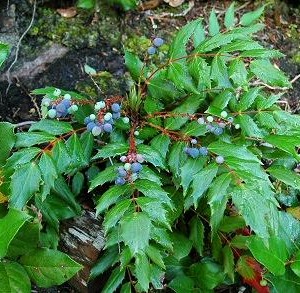
  • Oregon Grape and Barberry: Both these herbs stimulate liver and skin functions. They can be useful for acne, eczema and psoriasis.
  • Burdock: This herb strengthens the liver and purifies the blood. It is considered an alterative, which means that over time, it can help to improve liver function and improve some skin conditions.

  • Milk Thistle: This herb protects the liver; it's also a good antioxidant. It promotes the flow of bile and is useful in cases of liver damage from substance abuse.

  • Turmeric: This anti-inflammatory supports liver and gall bladder function. One study showed that it reduced mortality from cirrhosis.


The herbs recommended here should not be mixed with pharmaceutical drugs. They should not be taken by those with hepatobilary disorders, liver disease or obstructions of the liver or gall bladder. Diet plays a major role in liver health, so avoid fatty foods and eat apples and green, leafy, chlorophyll-rich veggies, and drink healthy juices.


Herbal Bitters
Herbal bitters tonics are traditionally used for improving sluggish digestion and associated problems such as indigestion, flatulence and constipation. Bitter herbs such as dandelion root and gentian stimulate the flow of digestive fluids, while ginger and fennel sooth the gastrointestinal tract. Bitters tonics can be taken daily and are especially helpful for improving the digestion of large meals or meals containing proteins and fats. (Caution: People with high blood pressure should avoid licorice.)

1/2 ounce dandelion root 1/4 ounce gentian root 1/4 ounce licorice root 1/4 ounce fennel seeds 1/4 ounce dried ginger root 1/4 ounce dried organic orange peel 1/4 ounce cardamom pods vodka


Grind the herbs in a blender. Place in a glass jar and add enough vodka to cover the herbs, plus two inches. Close the jar tightly.
 

Place the jar in a warm, dark place, and give the jar a gentle shake every day or so to keep the herbs from settling. After three weeks, strain the liquid from the herbs through a colander or strainer lined with several layers of cheesecloth. Squeeze the herbs to strain out all of the liquid. Funnel your bitters tonic into a dark glass container, and store in a cool, dark place.
 

Take 1/2 to 1 teaspoonful of bitters tincture in 1/4 cup warm water 15 to 30 minutes before eating.
 

Tuesday, January 6, 2015

Perk Up Those Bland Winter Meals

Now that my garden is covered with snow, I miss my fresh garden herbs and their fragrance and flavor. Can you suggest any herbs that I can use this time of year to perk up my senses?
Rather than longing for the fresh, leafy, summertime herbs, think spices, those pungent, aromatic herbs from far away places. Arabs introduced them to the Romans and went so far as to make up fantastic stories of their origins to keep their sources hidden. Even after finally admitting that cinnamon came from a tree, they reported that the tree was on an island in the middle of a lake guarded by griffin vultures that would attack and eat anyone who came near.
Remember your history lessons on European explorers and the Spice Islands? The Spice Islands, or Moluccas, encompass most of the Indonesian islands, also called the East Indies. The Portugese opened up a sea trade route in 1498, creating new access to the spice trade; the previous route traveled through Africa and Constantinople to Venice. That city held the European monopoly on spices.


Wars were fought over the spices that grew only in the warm, humid air of the tropics. Spices were so valuable, they were kept under lock and key in the kitchen of those lucky or rich enough to acquire them. The Dutch, who colonized the East Indies, kept prices inflated for nearly 200 years by restricting the cultivation of some spices. It was not until some plants were smuggled out to the West Indies in the late 18th century that prices finally fell.
What is a spice? Think exotic seeds, bark, nuts, and tubers like nutmeg, allspice, star anise, cardamom, coriander, cinnamon, cumin, pepper, cloves, ginger, saffron and vanilla. Other spices such as mustard and chili were also discovered in far-off places, then brought back to Europe and successfully cultivated in colder climates. If you have ever grown cilantro in your garden and allowed it to go to seed, those sweet, fragrant seeds are coriander.
Here’s some interesting information about a few spices:
Pepper is one of the first and most desirable spices to be traded. Both black and white pepper grow on a vine. Black pepper is the entire peppercorn or berry; white pepper results when the berry is soaked and the hull stripped off. White pepper is a milder in flavor than black.
Vanilla actually comes from the tropical forests of the Americas and was introduced to the Spaniards by the Aztecs who used it to flavor their chocolate. Pods grow from a vine and are not harvested until their third year. The pods are picked and cured by alternately being sweetened and dried.


Vanilla beans are expensive but can be reused many times to flavor recipes. Boil a pod in milk to flavor it. Then rinse it off, dry it and store in an airtight container for future use.
Buy only real, pure vanilla extract. You don’t even want to know what goes into the artificially flavored one. If you travel, beware of large bottles offered at a steal of a price. It is probably not the real thing.
Curry powder is a blend of ground spices, usually containing some or all of the following: turmeric, ginger, clove, cinnamon, cardamom, fenugreek, cumin, cayenne, mustard and coriander. In India, household cooks take great pride in their unique recipes handed down from relatives.


Curry is fun to play with. Making your own is a great way to study the individual spices, learn how they complement each other and how proper cooking captures their best flavor. Often a curry spice recipe requires quick roasting of some ingredients in a hot skillet which releases more aroma and taste. If making curry powder is too time-consuming, choose several kinds from different manufacturers in the store and have a taste test to see which you prefer.


Saffron is the world’s most expensive spice. It takes 250,000 stigmas from 76,000 blue-violet crocus flowers (Crocus sativa) to make a pound. Because of its cost, saffron is often adulterated. In 15th century Germany, people were burned at the stake for doing just that.


Buy the dry threads in small amounts. Known for adding color to foods and also used as dye, saffron’s flavor is subtle but distinctive. It is used in many rice dishes such as paella and is an essential ingredient in bouillabaisse.


Nutmeg and mace come from the fruit of a tree a bit like an apricot in form. When ripe, the fruits are shaken down into baskets and spread to dry in the sun. The outer fleshy peel is removed from the nut; this is mace which has a very strong, nutmeg-gy flavor. When the nuts are dry enough to hear the kernel rattle inside, the shell is broken to release the nutmeg inside which is then graded for quality.
Buy and keep nutmeg whole and use a fine grater to get the amount you need. The sweet, nutty, spicy flavor is useful in baked goods, fish, eggs, mulled wines and dairy drinks, spiced puddings and more.
Easy ways to includes spicy flavorings to your food:
·  Add curry powder to vegetables in broth or sauteed chicken for a welcome, distinctive change of taste.
·  Bake sugar cookies or shortbread with anise, coriander or cardamom added.
·  Add poppy seeds to breads, buns and biscuits.
·  Stew dried or fresh fruit with cinnamon, allspice and cloves.
·  Add ground, cumin, coriander and green chilis to a chili or lentil soup recipe.
·  Vanilla custard is real comfort food.
·  Add candied or crystallized ginger to a granola recipe.
·  Crush a few strands of saffron and add to a creamy vegetable or fish soup or rice.
Though we think of delectable flavors when we think of spices, many have significant therapeutic value. Turmeric is liver protective and an important herbal anti-inflammatory. Ginger and hot chilies offer varying degrees of vasodilation that can stimulate blood flow to the extremities and mucous membranes. Fenugreek seeds are used as a poultice for boils and may help lower cholesterol. Studies on cinnamon suggest that it helps with sugar metabolism in the body, and cardamom and anise have soothing digestive effects.
So rather than long for what is past, indulge yourself in the new possibilities of more exotic, less familiar herbs and spices, and delight in your new fragrant, culinary herbal adventures.

Merry Harrison, RH(AHG) is a clinical herbalist, teacher, author and wildcrafter.
For class schedule and to ask questions: www.millcreekherbs.com

Reprinted with permission: Catalyst Magazine

Friday, November 14, 2014

M.D.s and Herbalists

When people learn I am an herbalist, they often share their frustration and dismay that their “regular doctor” does not sanction the inclusion of herbs and supplements in their diet and health care. Discouraging comments or disagreeable advice from their very important primary healthcare providers perplexes many people. Doctors’ responses range from “I don’t know anything about it” to “Where is the data? It has not been clinically proven.”


OK, fair enough. Doctors are reluctant to offer anything that has not been clinically proven because it is a risk. Should anything go wrong—side effects, allergic reaction or negative results from the inadvisable mixing of herbs and pharmaceuticals—they could get sued.
Curious about just exactly what data physicians require to recommend herbs and supplements and also what new information they look to for positive assurance, I attended the conference, “Natural Supplements: An Evidence-Based Update,” sponsored by the Scripps Center for Integrative Medicine in San Diego. The lineup of 27 speakers from around the country and Canada was impressive, with all but two being MDs or PhDs. The topics were indeed mostly about supplements, but some presentations included herbs, and there were workshops on medicinal spices; one on coffee, chocolate and tea brought herbs to the fore.
Mary Hardy, MD, reported on her review of herb and supplement clinical trials, listing significant results: Increased intake of Vitamin D improves bone health; folic acid was proven to improve cognitive function over a three-year period. Black cohosh is associated with reduced incidence of breast cancer. Red yeast rice has applications for coronary heart disease and diabetes and it lowered cholesterol. Genistein, an active agent from soy, benefits heart and bone health. Essential oil of lavender did not promote gynecomastia (breast growth in boys). Gargling with tea catechins reduced the risk of flu in elders. Smooth Move® tea was effective for constipation. Taking cranberry for four months significantly reduced the incidence of urinary tract infections in women who had been prone to have at least six per year. Hardy suggested that broader acceptance and use of herbs in healthcare would probably come with the introduction of “simples”—preparations using a single herb. Perhaps some day hospitals will offer chamomile tea for poor digestion and warming, or arnica oil might be used topically to relieve arthritis pain.
Mark Blumenthal, founder and executive director of the American Botanical Council and editor and publisher of HerbalGram magazine, was the voice of herbalism in his presentation, “The Role of the Herbalist: A Global Perspective and Future Trends.” He pointed out that herbs often offer a gentler, safer approach to medicine that may be more in line with the patient’s philosophy. He predicted wider consumer acceptance and demand as more research verifies the benefits of herbs.


A final presenter was Tierona Low Dog, who was an herbalist before she became an MD. She directs the education program in integrative medicine and clinical assistant professor in the Department of Medicine at the University of Arizona School of Medicine. Hearing her talk in the realms of more familiar territory about the sensual, physical and therapeutic qualities of herbs and even explaining how to prepare them put me at ease. Noting that abdominal fat and insulin resistance can contribute to polycystic ovary disease, she listed the herbs cinnamon, fenugreek and bitter melon to inhibit the condition, including directions for how to prepare the melon and a description of how real cinnamon can be identified (“The bark rolls in the same direction and is very breakable”). She went on to talk about the benefits and applications of licorice, peony, chaste tree berry and sawpalmetto for hirsutism (hair growth). She proclaimed, “I do not worship at the feet of evidence-based medicine!” It was all I could do not to jump up and yell “Bravo!”
The busiest vendor booth sold fish oil capsules, the substance most frequently mentioned in presentations. Turmeric was another hot seller, recommended to reduce inflammation which many professionals now regard as the root of almost all disease.
To many at this conference, this was breaking news; I have heard this same information at herb conferences for 15 years.
Many clinical studies of herbs validate what herbalists already know. Besides showing whether a therapy works, clinical trials often explain its physiological mechanism. The documentation presents the information in a format that physicians can assimilate into their medical knowledge.
On the plane ride home, I browsed through a peer-reviewed journal, Journal of Alternative Therapies, that had been distributed for free at the conference. The Brief Report inside was on the use of nettle stings for pain by Les Alford, MSc. The author researched the age-old use of gently slapping skin with nettle leaves to relieve pain after a patient reported he had gotten significant relief of lower back pain by doing so. Alford investigated a study of such therapy that had shown similar, positive results. At the end of the article, he rhetorically asks “Is it time to add nettle leaf sting to heat and ice as home physical therapies for short-term pain relief?” I say, “why not?”


One glaring omission— the report never mentions that only fresh nettle triggers the pain-relieving action. Confusion and doubt about an herb’s healing potential can develop when essential details are not included about its proper use. This is precisely where I see the role of the herbalist as a necessary affiliate of any integrative health-care team. Herbalists base much of their practice on old healing wisdom handed down to become home remedies and practical therapies. Attending the conference did not assuage my perplexity at the disconnect between botanical medicine and the widely accepted practice of western medicine, but a quote in Krista Tippett’s book, Speaking of Faith, offered me an interesting insight. Substituting the contrast between western medicine and herbalism for that between science and religion in the following quote describes my view of this quandary.
“Beyond our culture’s entrenched debates, a parallel universe of dialogue is unfolding.... It’s not so much true that science [medicine] and religion [herbalism] reach different answers on the same questions, which is how our cultural debate has defined the rift between them. Far more often, they simply ask different kinds of questions altogether, and the responses they generate together illuminate human life more completely than either could do alone.”


This article was previously published in Catalyst Magazine and has been reprinted with permission.

Thursday, July 17, 2014

EASING ANGER: Botanical approaches to managing stress, fear and anger.


The other day, an acquaintance shared this personal experience with me that I want to share here because I think many of us can relate to it. She said, “Last Saturday, as I shopped at one of the big box stores, I felt irritated by the crowd because it was hard to maneuver with my cart. Though I had shopped carefully, I was disappointed at the checkout when as usual my purchases totaled more than I had expected. Getting out of the parking lot was aggravating and on the way home, I found myself cranky and driving too aggressively. While unpacking my purchases at home, I turned on the TV but immediately turned it off as I felt my blood rising in frustration and anger at the day’s news. I am concerned that I am wound too tight. Do you have any herbs that can calm me down?”
I doubt my friend is alone in feeling a hair-trigger angst come over her all too often. Living life so tightly wound can definitely have adverse effects on your health and can also begin to erode your self confidence and self esteem because of the uncertainty you may develop as to what exactly is driving your behavior. Frankly, I think anger should be classified as a mental illness because of the amount of damage it causes. We would probably all aspire to having a more peaceful mind during these times of turmoil but here’s the thing, the distance between being overwhelmed by fear and anger to a peaceful state of mind is a journey many of us feel at a loss for how to begin much less accomplish. This is exactly where herbs can help!
Life is complicated and so is health. The good news is that, barring serious illness, herbs can be useful in addressing the seemingly unrelated aspect of this complex health picture. For example, if you experience great stress at work with a boss you find difficult, and you can’t sleep for worrying about the situation, you may start feeling run down for lack of good rest, and experience mood swings and then you might get a cold. In spite of your best efforts to train your thoughts on the bright side of things, your energy is still going into that worried state.
At this point, rather than ask for a prescription for a sleeping pill, it would be reasonable to consider a botanical approach. Some suggestions would be to start using American ginseng and Eleutherococcus (formerly known as Siberian ginseng) which are adaptogenic, meaning they assist your body in adapting to stress. It is not that they allow you to take on more stress, it is that they keep your body from overreacting to it. Therefore, you might find sleep coming more easily if you used ginseng regularly and you also might find you can entertain other thoughts and constructive activities beyond your worries. If anxiety or mental chatter is too much of a distraction, try kava kava which I maintain is still one of the best herbs for anxiety and safe to use if it is prepared properly and taken in proper dose. 
Another thing to consider is shifts in blood chemistry which can contribute to a sluggish or agitated state of mind. An example would be a hangover if you drink too much alcohol. The next day you have a headache and can be grouchy and ultrasensitive. If the day after Halloween, your kids go off to school and you get into their candy stash before you go to work, don’t be surprised if you feel run down and tired an hour later when the sugar high starts wearing off. Food allergies, even those mild ones that you suspect but are not quite sure of can have the same effect. Herbs like turmeric and oregon grape can help clear the system of toxic overload and even have a glucose balancing effect as with goat’s rue and cinnamon. When we are at risk of getting sick whether it is working in a day care center or being stressed, herbs like Echinacea and Astragalus are useful to support our innate immunity and keep our systems alert to try to ward off illness..
In order to combat nutrient depletion caused by stress, you could take a multivitamin and add nourishing herbs like oat straw that is good for the nervous system, nettle and dandelion leaf for minerals, cleavers and Mormon tea. All of these combined would make a nice tea and adding a little mint and chamomile would make the flavor even more pleasing. Getting the right nutrition may help you avoid cravings and who among us does not have our digestions affected when we are stressed? Whether it is overeating, not eating, sour stomach, constipation and/or diarrhea, herbs can calm or stimulate the digestive tract. A whole foods diet with lots of nourishing and detoxifying fruits and vegetables and the proper amount of protein each day to balance out blood sugar yoyos will go a long way to helping you feel balanced.
Fragrant, essential oils are a great ally in that they can distract us from or ease our mind and body through the very ancient and not well understood olfactory system. Consulting with a qualified aromatherapist would be helpful or just do a little reading on the subject and pick a few oils that resonate with you. Some suggestions are lavender, bergamot, rosemary, peppermint and the more expensive rose. The most important thing to know is that you must obtain unadulterated, pure essential oils to get the therapeutic effect. People always ask me how they can be sure, and I say that I think the stores that sell them should make proof available to the consumer in the form of a guarantee or a copy of a certified chemical analysis.
Can herbs help you maintain health and a more balanced life and outlook during these worrisome times? Yes, I believe herbs can be useful in helping you and your family feel better mentally and physically to maintain health and emotional stamina. Once you feel less susceptible to being blown off course by the influence of the media or the crush of an overcrowded store, you can think of other ways to support your own peace within which will emanate from you as a place of comfort to your grateful family and friends.  

Thursday, June 19, 2014

WHAT IS THE BEST HERB?

 The other day, when an old acquaintance found out that I was an herbalist, she asked excitedly, “So, Merry, what is the best herb?” She clearly expected me to have a ready answer, which I never do to this question. The reason is that there is no “best” herb. The part of the question that was missing was, “the best herb for what?" Even that question is a little hard to answer because if someone asked me what the best herb was for sleeping, I would still be hard pressed to answer because I have 30 herbs to help people sleep. As a practitioner, I need to know what you mean when you say you cannot sleep. Can you not go to sleep? Can you not stay asleep? Do you wake up at 3 a.m. with a worried mind? People don’t sleep for a lot of different reasons, and I make sleep formulas based on what the person needs. This is the beauty of herbal medicine. My job as a practitioner is to help a person feel better. I do that by fitting the right herbs to the person for their condition.
Here is another example. Say you ask me what herb to take for a cough. I need more information about it. Is it a spastic cough? Are you congested? Is it from asthma or allergies? People can usually answer these questions about themselves. Often the herbal remedy is a combination of herbs that can assist in relieving a variety of contributing factors.

There is no “best herb” in Thrive Tonic liquid, herbal extract. It works because the  formulation of nourishing, detoxifying, tonifying and adaptogenic herbs work in harmony to strengthen the body to withstand the negative effects of stress and improve vitality. I have enjoyed seeing the looks on customers’ faces when they realize how much better they feel when they take it consistently, once a day. They report better energy, sleep, mood, digestion, and even stronger hair and nails. People are learning that it is the specific combination of these herbs that make this tonic so beneficial. How do the herbs work so well together? Only the herbs know that.