Herbs For All

If you enjoy what you're reading here, please join our Herbs For All Facebook group. This is an excellent source for fascinating and useful information on medicinal and culinary herbs.

Tuesday, September 30, 2014

"The Missing Link To Optimum Health” Includes Herbs


 Jo Robinson’s fascinating new book, Eating on the Wild Side, does indeed provide “The Missing Link to Optimum Health” by finally giving us the information we need for “a radical new way to select and prepare foods to reclaim the nutrients and flavor we’ve lost”. She does this by using scientific and historical analysis to explain what sorts of phytonutrients (phyto means plants) have been lost from our ancestors’ ancient wild foraging days and compares them to what is available in the produce section of grocery stores of today.  Get ready to cringe, but take heart, she also has plenty of suggestions that food shoppers, gardeners and even botanists will like, and she even includes recipes.


This book sounds the wake up alarm and school bell, finally giving consumers necessary education they can take to their grocers, gardens and seed catalogues to begin making better choices in the food they choose with the goal in mind of bringing not just better nutrition, but more complex phytochemicals into their diets. These are important compounds like antioxidants, flavonoids, catechins, carotenoids, polyphenols (the list is estimated to be more than 4,000) that help to neutralize free radicals, protect cells, reduce cholesterol, inhibit tumor growth, etc. and have been bred out of our fruits and veggies for the sake of taste, appearance, shelf life and marketability.
Robinson carefully explains that once people started cultivating their own food, they began breeding for what tasted best and produced the most and tried to get the unpleasant flavors of sour, bitter, and astringent out of everything we ate. Those very same flavor constituents that create those “nasty” flavors have the most cancer fighting power and contribute to the plant’s ability to resist pests and disease, and when we consume them naturally, the plant passes that benefit on to us humans. We can pile our plates high with a rainbow of produce from the grocery store, but Robinson’s message is that we are not getting the very important health protective benefits from food because it has been so severely, nutritionally degraded. As a matter of fact, when food gets genetically altered for the sake of salability, nutritional analysis in not even considered as part of the evaluation.


There is one glaring omission in this book, HERBS! There is not even a listing for them in the index. Herbs should never be an afterthought in the diet. True, she writes a great chapter on onion and garlic chives, both native to the Old and New World. Many people are familiar seeing them pop up in abundance in meadows of different bioregions in the early spring. She explains their very significant antioxidant and medicinal value and even cites a study that shows they act as aphrodisiac in rats. Other than this, however, she does not take on the nutritional and antioxidant value of herbs more broadly. I believe they deserve much more praise and attention for many reasons.
Allow me to offer an example of just how powerful they are. Many herbs are antimicrobial and antifungal and if you want to pest proof your garden from either insects or the four legged kind, plant herbs. Just the essential oils in herbs discourage them from munching their leaves and roots. These critters do not eat lavender, sage, oregano, chives, mint, rosemary, salad burnet, calendula, St. John’s Wort, Echinacea, the list goes on and on. You can even pest proof your drawers with lavender and your cupboards with bay leaves. According to the author, when ingested, the defense system of plants often translates similarly in our bodies to ward off foreign attack from outside and within that can cause illness.


As for the nutritional value of herbs, just one cup of fresh parsley is superior and much less expensive than a head of any kind of lettuce. (nutritiondata.self.com) The really good news is that herbs have not been genetically altered to the extent that our food has.


I can only hope Jo Robinson with her wealth of scientific research and knowledge has a sequel to this book called HERBS: Additional Essentials for Optimal Health.

Thursday, September 18, 2014

Keeping Kids Healthy

Question: The kids have been in school for only a few weeks but already have runny noses and coughs. Are there any herbs that would help to keep them healthy and resist all the new bugs they get exposed to in the classrooms?
Changes of season and exposure to new kids and germs in the classrooms make keeping our children healthy a challenge. Preschoolers and kindergarteners seem to pick up everything and some kids are more susceptible to illness if they have preexisting conditions such as asthma and allergies.

I have previously recommended taking Echinacea before an airline flight to help boost immunity, and I think the same would be good for kids before or just as they are starting the school year. I make a formula of Echinacea combined with Astragalus and reishi mushroom to support the immune system. It can be taken for several weeks or at the first sign of a cold until symptoms diminish. Regarding what types of preparations are best, I recommend teas, chewable tablets and glycerine preparations rather than alcohol tinctures.

For the sniffles, I like to make a tea of Mormon tea (Ephedra viridis) which grows here in Utah and does not contain the "speedy" ephedrine found in the Chinese plant, Ephedra vulgaris. Peppermint and ginger can slightly increase secretions to work as a decongestant. Marshmallow root tea can help ease a scratchy throat.

For chest congestion, garlic can be useful. In the same way that its odor comes out of our skin and breath, it also gets excreted through the lungs, which will move any congestion. Osha, licorice root, pleurisy root and elecampane can help more severe bronchial problems, but a qualified practitioner should recommend and adjust dosages. Children from 2 to 7 should take 25% of the adult dose; between 7 and 12, 50%. If the condition worsens or creates concern, consult a doctor.

I know I’m recommending a lot of herbs and combinations you may not have on hand or perhaps you may not feel comfortable blending a formula or tea. In that case find a qualified herbal practitioner. The American Herbalists Guild, of which I am a professional member, lists qualified herbalists by state. It will give any parent peace of mind to know the right combination of herbs has been created for your child or family.

Don't forget to consider food as medicine and keep plenty of culinary herbs stored in glass jars out of direct light in the cupboard to boost your family's nutrition. Mountain Rose Herbs is a great resource for fine quality, dried, medicinal and culinary herb, and you can purchase as little as a quarter pound. Extra dried parsley, oregano and garlic added to an ordinary jar of spaghetti sauce will never be noticed by the kids, and a mild curry blend to sprinkle on rice and in creamy soups and sauces offers a nice taste alternative. Consider teas instead of juices or even blend the two.

We can do a lot for our kids by providing a whole foods diet and making sure they get the good rest and exercise essential for health. Digesting processed foods and “bad” fats taxes the body and creates extra physical stress. Sugar, food colorings and additives like MSG can cause wide energy swings and might interfere with learning ability. Even mild food allergies to dairy or wheat can interfere with a child's health.
If your child is one of the many with asthma and allergies, take extra care to avoid the triggers. An ear, nose and throat doctor told me that he has seen the frequency of sinus and ear infections go up with the increase in pollution. A new study reported on National Public Radio showed that kids exposed to diesel fumes on the bus are more prone to get chest colds. I suggest using appropriate herbs at the first sign of a flare up. Depending on the case, I might recommend yerba mansa, licorice, goldenseal, dandelion leaf and lobelia.

With hectic family schedules, social challenges on the playground and scary events like September 11th, we need to do all we can to ease our children's stress. I especially like to use lemon balm to relax and calm a child, when sleep won't come because of a busy mind.

Our kids are being bombarded from all directions. The best defense is to address and manage the small ills before they get bigger. Herbs are good for that.

Friday, September 5, 2014

Herb Tips

I've worked for year to compile more than 400 helpful herbs tips like the following:


Be sure to cut your lavender sprigs when only 2-3 blooms have first opened. It is the bud that makes the dried plant so pretty. If you wait until it is in full bloom, the flowers will fall off and you will be left with a bare stem.


Comfrey leaf and root applied topically as poultice or compress will help heal injuries such as sprains and bruises. Its common name is “knitbone” and was thought to even be useful to heal broken bones.


Tasting something bitter before a meal can aid the digestive process by stimulating secretions in the right order. Try using bitter lettuces, mustards, dandelion, a few drops of tincture of gentian, Oregon grape, golden seal or barberry. 

You can get more herb tips by signing up for your free Herb Tip of the Week at www.millcreekherbs.com.

Friday, August 22, 2014

In Case of Emergency

I have never considered myself a survivalist and I'll bet most of the battered folks displaced by the violent destruction of earthquakes, floods, tornadoes, hurricanes, landslides and tsunamis hadn't previously thought of themselves as survivalists either. Now they do. They have earned that badge of distinction not by barricading themselves in remote locations with guns and ammo, but by living through these distasters only to be faced with the ordeal of staying alive for days without food, clean water, sanitation, shelter, medicine, safety or information that could give them hope that help was on the way. 


As if the initial shock of the tragedy, harm, devastation and loss of life were not enough, often the death toll rises significantly because of problems that result when help can't arrive fast enough. Injuries fester, bodies weaken from dehydration and lack of nourishment, susceptibility to disease increases as pollution rises and lack of shelters make protection from the elements impossible. Add despair to this toxic mix and recovery hardly seems possible. The victims cannot very well help themselves. Or can they? 

Any one of us could find ourselves in circumstances this desperate. While considering what help there might be until professional disaster relief organizations can arrive on the scene, it occurred to me that we are surrounded by plants of great medicinal value. Your medicine cabinet may be buried in the rubble, but plants growing within walking distance of your house can kill bacteria to keep wounds from becoming infected, reduce pain, knock down a fever, heal cuts, scrapes and severe bruising, get out splinters, calm nerves, feed us and even snap someone out of hysteria. The trick is to know what plant does what. Many herbs have water-soluble constituents and don't require heat to process. 

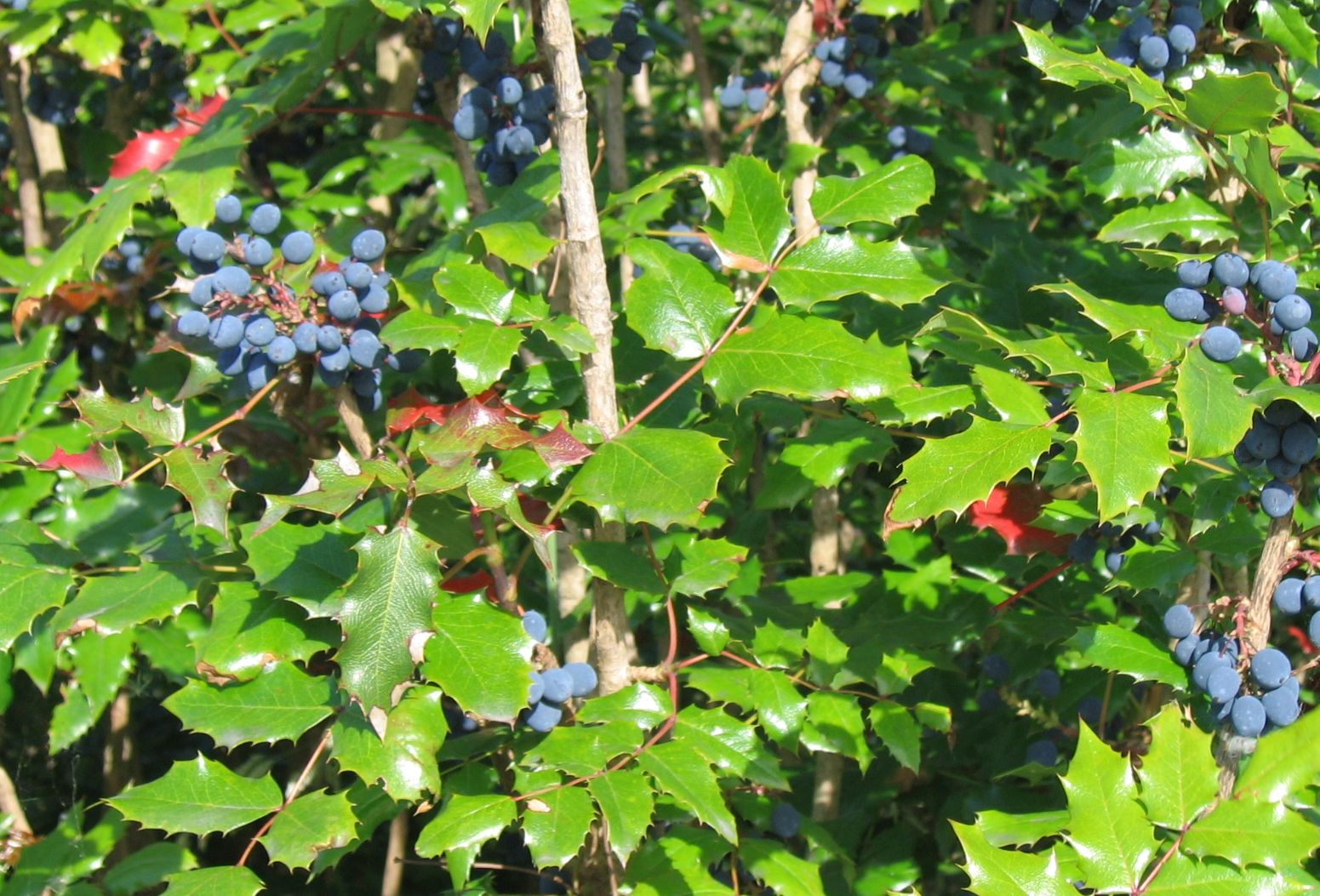
Everyone has Oregon grape (Mahonia) close by, and if it is not in your yard, it grows in abundance in the foothills of the mountain west. The roots of this plant will not only kill germs on the outside, but also the inside. When combined with the bark of oak tree, it will relieve dysentery brought on by bad water or food. I would use it to help kill germs in water, too. 


If you cut yourself, pine sap stops bleeding. 

Willows grow near moist areas, and a tea of its bark will reduce pain because it contains salicylic acid which is what aspirin is made out of. 

Arnica grows in the mountains. Arnica preparations can be made from leaves, flowers and roots. It can be used topically on sprains and bruises to reduce swelling and pain. Yarrow and plantain, used topically, will heal wounds and decrease the itching of insect bites. 

Echinacea (gardeners often call it purple coneflower) is a famous healer. You can nibble fresh flowers in the summer or use leaves flower and root to make a "whole plant" tincture. 


In cases of smoke or toxic fumes inhalation, mullein leaf and native mallow roots will sooth sore throats. 

Elder flower and balsam root should be used if people start getting colds and flu. 

Dandelion leaves and roots can be eaten and are super nutritious so will help restore lost nutrients. 

Know where your plants are! For instance, if you have Echinacea in the garden, you can dig up the root even in the winter and chop it up, then soak it in water for a few hours. Or you could chew on a cleaned root. You can also dig up and eat roots and bulbs of plants like garlic, chives and parsley. 

Understanding what great potential there is in plants to help manage and relieve such threatening situations, I enrolled in the Community Emergency Response Team (CERT) training which teaches people how to be first responders in their neighborhoods. I think this training should be taught in schools. It offers basic information on how to go about taking care of yourself, your family and your community in an organized way that will assist the professionals once they can get there. This is good information to have. In addition, knowing how to use the healing plants in our own back yards could be our saving grace in such catastrophes.


This article first appeared in Catalyst Magazine and has been reprinted with permission. 

Friday, August 8, 2014

PTSD Treatments: When Pharmaceuticals Fail, Herbal Medicine May Be Something to Consider


NPR recently broadcast a lengthy segment detailing the ongoing struggles of veterans and active service members with PTSD. It highlighted how frequently the negative side effects of the pharmaceutical medications they take for PTSD symptoms make their ongoing suffering harder to cope with. The patients describe slogging through their days and nights in a mental and physical fog induced by sleep aids, pain relievers, anti-anxiety and antidepressants. In personal recorded interviews, the veterans describe how the sedative and suppressive qualities of the medicines make them feel zoned out which prevents them from experiencing their genuine, authentic selves. Their utter exasperation and desperation lead some to stop all medication cold turkey for they would rather feel the raw fears, recurring memories, sleepless nights and cold sweats than the alternative haze and disorientation the medications cause. One still active service member told how, while he remains in the service, he is required to take many medications for his PTSD and gets blood tested monthly to make sure he is in compliance. Because he is so adverse to the prescription drugs, he quits them right after testing and then starts them all over again a week before he is to be tested. They make him very sick and he sounded utterly discouraged, but he would rather live this way than to always be under the influence.

Listening to this program gave me such a strong urge to fly through the radio waves to these men and women to thank them for their service and somehow share with them some of what I know about the gentle, nudging, nourishing, therapeutics medicinal herbs offer for stress, anxiety, sleeplessness, panic attacks, hyper-reactivity, low mood, etc. Let me be clear that I am not suggesting that herbs should be used for clinically diagnosed illnesses, but even doctors would have to agree that if the patient is not getting relief and is unwilling to take the medication and is still suffering, certainly it is time to at least allow some willing individuals the opportunity to choose different therapies that might bring relief.

I know this time has come because just last Saturday when I was in my Millcreek Herbs booth at the Downtown Farmer’s Market in Salt Lake City, I was visited by someone from the integrative health program at the VA hospital. She took great interest in my Thrive Tonic and even said it belonged in their study. I could not agree more. She said so far they are working with nutrition and some essential oils. I asked if she knew anything about herbs and she replied she did not. She took my card. I have not heard from her.

My teacher, Michael Moore said, “Herbs help shift us in ways we cannot shift ourselves.”I have learned in my 17 years in herbal practice that when a person does not feel good, often the last thing they need is to be given harsh, strong treatments. Sometimes when faced with a client who is in physical and/or emotional pain, and who is well armored against that pain and anguish, the best approach is to introduce just a whisper of just the right herb. When done properly and successfully, and it does take a trained professional here, it is a beautiful thing to see that shift take place. Once work can begin, it usually goes in stages. I try to address the most immediate concern first if I can. The client and I and the herbs work together through layers. It is complicated, but this challenge is my favorite part of my job as an herbalist. With so many herbs to choose from, it is something of an art to fit the right ones in the right combinations to the person. I believe that herbal medicine holds great potential for some people who suffer from PTSD.

Among all the herbs in my pharmacy, these are among those I would consider for some of the disorders listed in this article:
Anemone   Ashwaganda   Aveena   Calamus   Chamomile   Elephant Head  
Hawthorn   Kava Kava   Lavender   Lemon Balm   Lobelia   Motherwort(for women)
Passionflower   Rhodiola   Rose   St. John’s Wort

(Update to post 8/15/2014)
Interestingly, moments after this blog post went up, information about an organization called Save A Warrior began to appear in several media channels.
CNN reporter Soledad O'Brien delivered an hour long broadcast about Post Traumatic Stress and the Save A Warrior organization that revealed the excruciatingly painful circumstances the veterans and their families endure while they suffer from PTSD. Save a Warrior is a non profit that offers these most needy soldiers five days respite with peaceful coping techniques like meditation, rhythmic breathing and other trust-building exercises like rope courses; servicemen and women can once again find a pathway to better balance in their day-to-day lives. 

Knowing these alternative therapies are being used to overcome PTSD by veterans and their families is heartening and fills me with hope that herbal medicine will be added to current integrative mental and emotional health treatment methods.

Thursday, July 31, 2014

The Value of Herbs in a Localvore Lifestyle

In Barbara Kingsolver's book, "Animal, Vegetable, Miracle: A Year of Food Life", she writes about her family's year-long effort to grow, purchase and eat only locally produced food. She started with the small resolve not to buy any more bananas. Now she and the coauthors of the book; family members, Steven L. Hopp, and her daughters Camille and Lily are passionate spokespeople and supporters of efforts to reign in the unjustifiable costs of food offerings in stores and schools. Though it was not a particular emphasis of her work, it occurred to me that growing and using more herbs would be a great compliment to this endeavor because it would not only add greater varieties of flavor but boost nutrition as well.
Regard herbs not as delicacies to use sparingly, but as high-value food that can be seasonings for meats, vegetables and baked goods. Herbs can also be used in infusions of hot water, honey and simple syrups.
My first suggestion is to greatly increase quantities of herbs you grow. This doesn’t necessarily mean you have to do more work in the garden. For example, you can plant a few mint plants in full sun or partial shade and they will increase substantially in a year or two. Plant both peppermint and spearmint and enjoy the variety. My experience with the other mint varieties (such as chocolate mint) is they are great fresh but don't retain their delightful flavor once they’ve been dried.

Grow herbs that do well in your climate. By the time the cool weather of November arrives, you can have large canning jars full of an abundance of high-quality herbs ready to be used generously throughout the winter, like dill, savory, tarragon, parsley, sage, oregano, and thyme. Think of places to grow herbs that you may not have considered before: window boxes, pots, hanging baskets and even rooftops. You might consider a small greenhouse where you can store cold-sensitive or exotic herbs during winter.

Though it is easier to grow herbs that do well in our climate you could take your conservation efforts further. Try growing your own lemon, lime and bay trees and even ginger and lemongrass.
If you don’t grow your own, take advantage of the abundance of basil, parsley, garlic, etc. at farmers markets and stock up. Make and freeze your own pesto for later use. The quality is excellent!
Barbara Kingsolver made special note of the amount of labor necessary to harvest adequate quantities of produce to last the year. You will need some time to process your herbs. You will have to be available to harvest your herbs at their peak of flavor, which may be a different time for each one, but all you have to do with most of them is let them dry out of direct light, strip the leaves off their stems and store them in glass jars.

Roots like horseradish are usually unearthed in the fall. You can grind the root fresh with some vinegar and salt and store in the fridge for a while. Store extra roots whole in moist sand in a cool dark place.

Herbs like parsley, basil and chives can be frozen in convenient portions that you can add to soups, sauces and stews. (They don't look pretty, but they retain their flavor and nutrition.) I make lots of seasoning and tea blends with dried herbs that are ready to sprinkle or steep anytime.

You can extend the herb growing season in lots of ways. Plant the rosemary that is so hard to overwinter in the warmest place you can find, in good soil near a foundation or south wall of your home or other structure (some species overwinter better than others) or in a pot that you bring inside for the winter. Sage, thyme, lavender and salad burnet are evergreen and though their flavor is not at its best in the winter, you can still pluck leaves to use.
Let’s not stop at the herbs that have food value. Many medicinal herbs can be cultivated to ease health problems in the home which means fewer trips to the pharmacy and doctor.
CULINARY HERBS
Basil
Thyme
Mint
Tarragon
Bergamot
Chives
Caraway
Oregano
Thyme
Lovage
Sage
Rosemary
Cayenne
Dill
Fennel
Garlic
Shallots
Horseradish
Chamomile
Lemon Verbena
Salad Burnet
MEDICINAL HERBS
Echinacea
St. Johns Wort
Comfrey
Valerian
Lemon Balm
Calendula
Lavender
Catnip
Skullcap
Horehound
Pleurisy Root
Rue
Ginkgo Tree
Rose
Yarrow
Willow
Dandelion

Having dried herbs on hand will guarantee that the last potatoes, onions and hard-skinned squashes of February won't be bland and boring meals that you have to endure to prove the point that you refuse to purchase foods that cost more than you are willing to spend; environmentally, ethically, economically and politically. 

Thursday, July 24, 2014

Herbs, Drizzles, Spreads and Marinades ~ Make summer meals a delight with these fresh herbal recipes.


Now’s the time to take advantage of the abundance of fresh herbs in the garden. Make a salad sing with diced fistfuls of parsley, sorrel and chives added to a basic vinagrette. Add sage and basil blossoms, too, for a strong burst of their fresh, familiar flavor.


One important herb tip to remember is that the flavor we enjoy from our culinary herbs comes from their essential oils, so it is best to combine herbs with a bit of olive, canola, butter or other oil to bring out and enhance the natural flavor the herb releases. For example, fresh, chopped garlic added to a combination of butter and olive oil and slowly warmed on the stove will make a dipping sauce so divine that guests will close their eyes to savor its rich deliciousness. Other herbs don’t hold up so well to heat, so allowing them to infuse an oil while at room temperature or in the fridge will be the best method to capture their flavor.
Here are several herb recipes to spark your imagination and creativity.
DRIZZLES
Drizzles are wonderful on crusty breads, rice, pasta and orzo.
CHIVE FLOWER DRIZZLE
Pluck and separate the pretty, pink chive blossoms from about 5-6 flowering heads and mix with 1 T. finely chopped chervil and 2 T. parsley. Add 1/2 cup extra virgin olive oil.
FRUIT DRIZZLE
Add 2 T. finely chopped, fresh lemon verbena to 1-2 T. grape seed oil. Drizzle over chopped fruit of your choice.
POTATO SALAD DRIZZLE
Rather than bottled mayo, try this dressing on potato salad. 
  • 3 T. each chopped fresh dill, chives and parsley
  • 1 T paprika
  • 3/4 cup canola or olive oil
  • 1 T. dijon mustard
  • Salt and pepper to taste
MARINADES
Skip the artificially flavored, smoky brown syrup for this refreshing and unusual taste sensation. Marinate chicken, fish or pork for a couple of hours in this delicious blend of chopped, fresh herbs. Strong-flavored herbs hold up best during the grilling process.
HERB MARINADE
Coarsely chop 1-3 T. each:
  • sage
  • thyme
  • chives
  • oregano
  • mint
  • basil
  • garlic
    Add juice and zest of a lemon and 1/2 to 3/4 cup olive or canola oil.
SOUTHEAST ASIAN MARINADE 
  • 1 T. diced fresh ginger
  • 1 shallot, diced
  • 1 clove garlic, diced
  • 2 T. mint, chopped fine
  • 3 T. Thai basil, chopped fine
  • Zest and juice of a lime
  • 6 oz. coconut milk
  • 2 T. peanut or sesame oil
    To grill, gently remove the meat from the marinade and place on the grill so that the herb bits and pieces stay attached. Strips and skewered meats lend themselves well to taking on lots of the herb flavors.
SPREADS 
Liven up that BLT, submarine or veggie sandwich with this herb spread:
Blend these fresh herbs in a small food processor: 
·    1 T. rosemary
·    2 T. lovage leaves (they taste strongly of celery)
·    1 shallot
·    Coarse pepper
·    Salt to taste

·    Add to 1/2 cup of mayonnaise.


This article first appeared in Catalyst Magazine